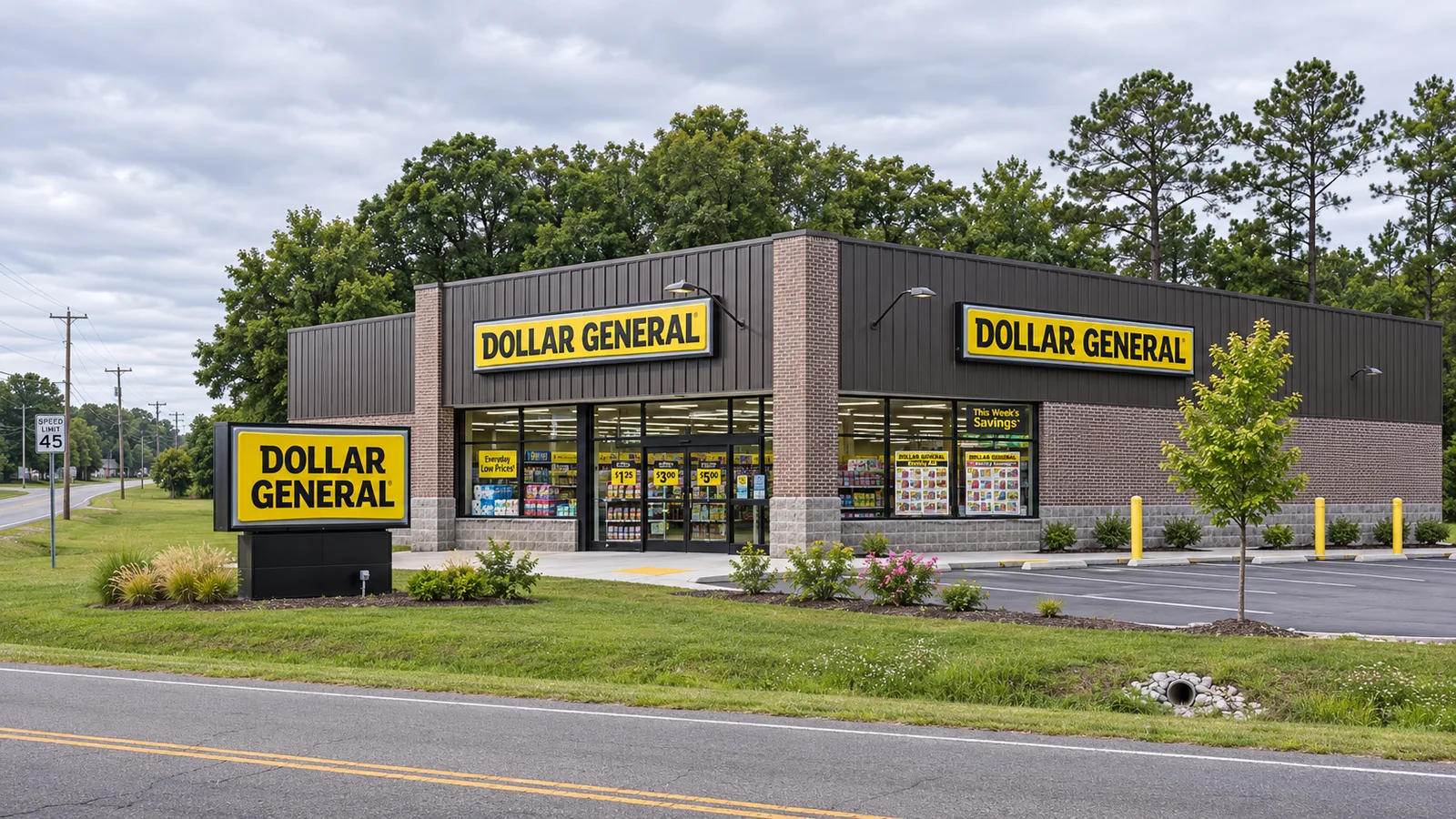
The Federal Trade Commission filed an amended complaint adding ten states as co-plaintiffs in its lawsuit against Dollar General Corporation. The filing was made in the U.S. District Court for the Middle District of Tennessee. The addition brings the total number of state co-plaintiffs to 30. The FTC Commission voted 2–0 to authorize staff to file the amended complaint.
What the complaint alleges
The amended complaint alleges Dollar General routinely charged customers more at the register than the prices on shelves, price tags and advertisements, costing consumers millions of dollars. It also alleges that thousands of stores took advantage of vulnerable shoppers by extracting millions of dollars in unlawful overcharges, with insufficient safeguards to prevent the practice. The complaint says the practices violate the FTC Act, the Gramm-Leach-Bliley Act and state laws. The FTC claims the company engaged in the practice for years and did not correct it despite corporate knowledge. The FTC says Dollar General received tens of thousands of complaints from customers nationwide who reported paying more than the advertised price.
Earlier allegations and the state group
The FTC and its initial state partners first alleged in October that Dollar General had for years repeatedly falsely labeled prices, overcharged consumers and failed to correct the issue despite extensive corporate knowledge. Before the amendment, the co-plaintiffs were 20 states: Alabama, Arizona, Arkansas, California, Connecticut, Florida, Illinois, Iowa, Kansas, Louisiana, Michigan, Mississippi, Nebraska, New Jersey, North Carolina, Ohio, Oklahoma, Tennessee, Utah and Wisconsin. The case will be decided by the court.
Oregon's role
Oregon is one of the ten states added as co-plaintiffs in the amended complaint. Attorney General Dan Rayfield filed a lawsuit alleging the chain routinely charges higher prices at the register than those shown on shelves, in promotional flyers and online. Oregon asks the court to order Dollar General to correct its shelf pricing, pay civil penalties and refund overcharged customers. The Oregon Department of Justice says Dollar General has 89 stores in the state, many in small towns where shoppers have few other places to buy groceries and household goods. The department also says the company previously settled similar pricing claims with eight state attorneys general and consumer protection agencies.
Maine joins
Maine is among the ten states added to the lawsuit. The state is joining the case alleging customers are paying more than they are told.