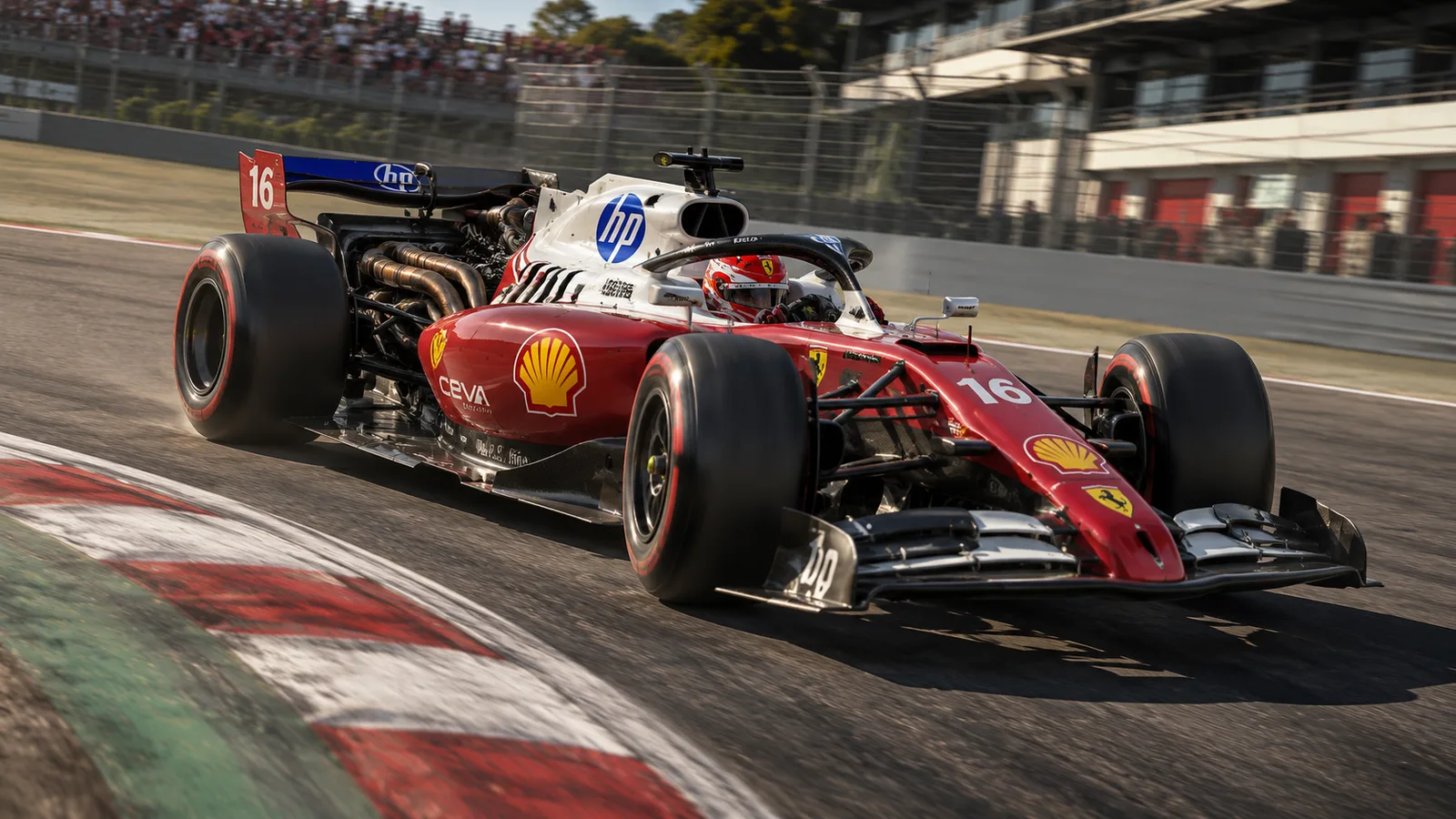
The FIA announced that a unanimous agreement has been reached on the 2030 power unit technical framework among the governing body, Formula 1, teams and power unit manufacturers. Formula 1 bosses agreed to replace the current power units with V8 turbo hybrid engines in 2030. Stakeholders have agreed, in principle, to move from the current V6 hybrid generation to more powerful V8 engines starting in 2030.
What the new engines look like
The regulations center on a 2.1-liter turbocharged V8 with limited hybridization, running on advanced sustainable fuels. The proposed framework prioritises sustainable technology and limited hybridisation. The governing body said the engines will be lighter, less complex and more cost-effective. The FIA says the new unit will be a lot less complex, lighter and cheaper than the current power units. Formula 1 is poised to return to cheaper and more simplified V8 engines in 2030.
Goals: racing and sound
The V8 change is intended to encourage closer, more attacking racing that enhances the spectacle for fans. The engines are also meant to produce a sound that resonates with fans, and the FIA said the V8's return brings back its distinctive sound. The FIA plans to pair the V8 power unit with a lighter, more agile chassis that places greater emphasis on driver skill and close racing.
Background
F1 previously used V8 engines between 2006 and 2013, before the current 1.6-litre V6 turbo hybrid units arrived in 2014. Ben Sulayem has been pushing for a return to V8 engines. The 2026 power unit rules have been widely criticized. Criticism from fans and drivers of the engines introduced in 2026 resulted in a two-step change across 2027 and 2028 to move away from the current near 50-50 power split.
Next steps
The next stage is to present a definitive 2030 Regulatory Framework to the FIA World Motor Sport Council meeting in Shanghai next month. All regulatory changes in the framework are subject to approval, so the agreement is not yet final.