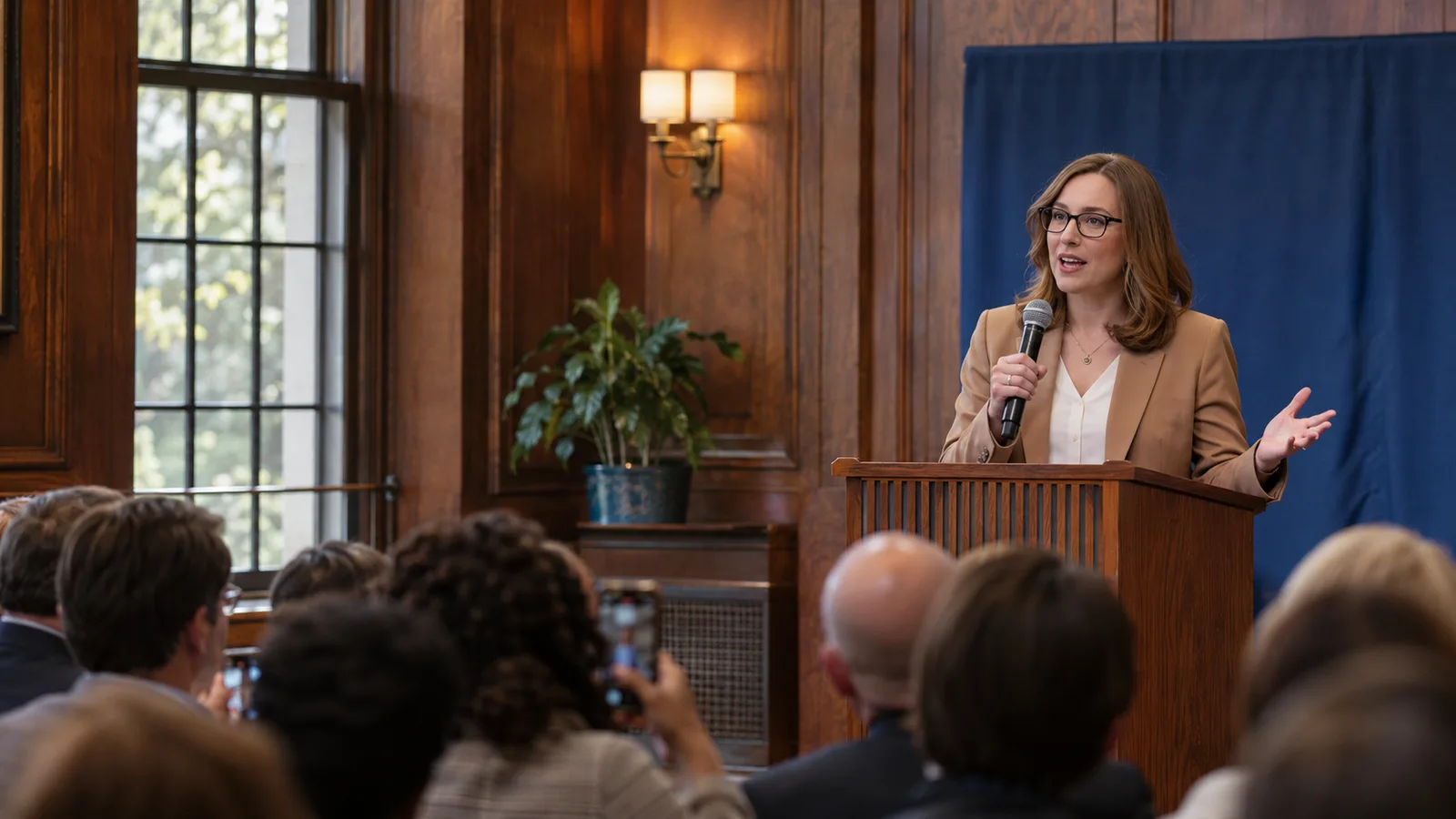
US Sen.-elect Abdul El-Sayed, a Michigan Democrat, said in a new interview that Israel should not identify itself with a particular culture or religion. He continued his criticism of Israel on Tuesday while speaking at The Atlantic Summit: Politics, Power, and What's Next in Washington. El-Sayed said Israel ought to uphold equal rights for all its citizens, avoid identifying with a culture or a faith, and respect its citizens' right to live free under its laws.
El-Sayed accused the United States of enabling what he called a genocide in Gaza. He said the US had aided, armed and abetted that genocide, adding that there was nothing more to say on the matter. He also demanded accountability from Israeli Prime Minister Benjamin Netanyahu, whom he accused of committing war crimes.
El-Sayed repeatedly declined to give a direct answer when asked whether the Jewish state has a right to exist. In a CBS "60 Minutes" interview, he answered yes to that question if there is a shared understanding. He said he would support either a two-state solution or a single shared state if both populations agreed.
El-Sayed declined to endorse a specific framework for resolving the Israeli-Palestinian conflict. He suggested the eventual arrangement could involve one state, two states, or another configuration. He argued that Palestinians and Jewish Israelis should negotiate their political future on equal terms rather than have a settlement imposed on them. He said the decision belongs to the two populations rather than American policymakers, and that it was not his to make.
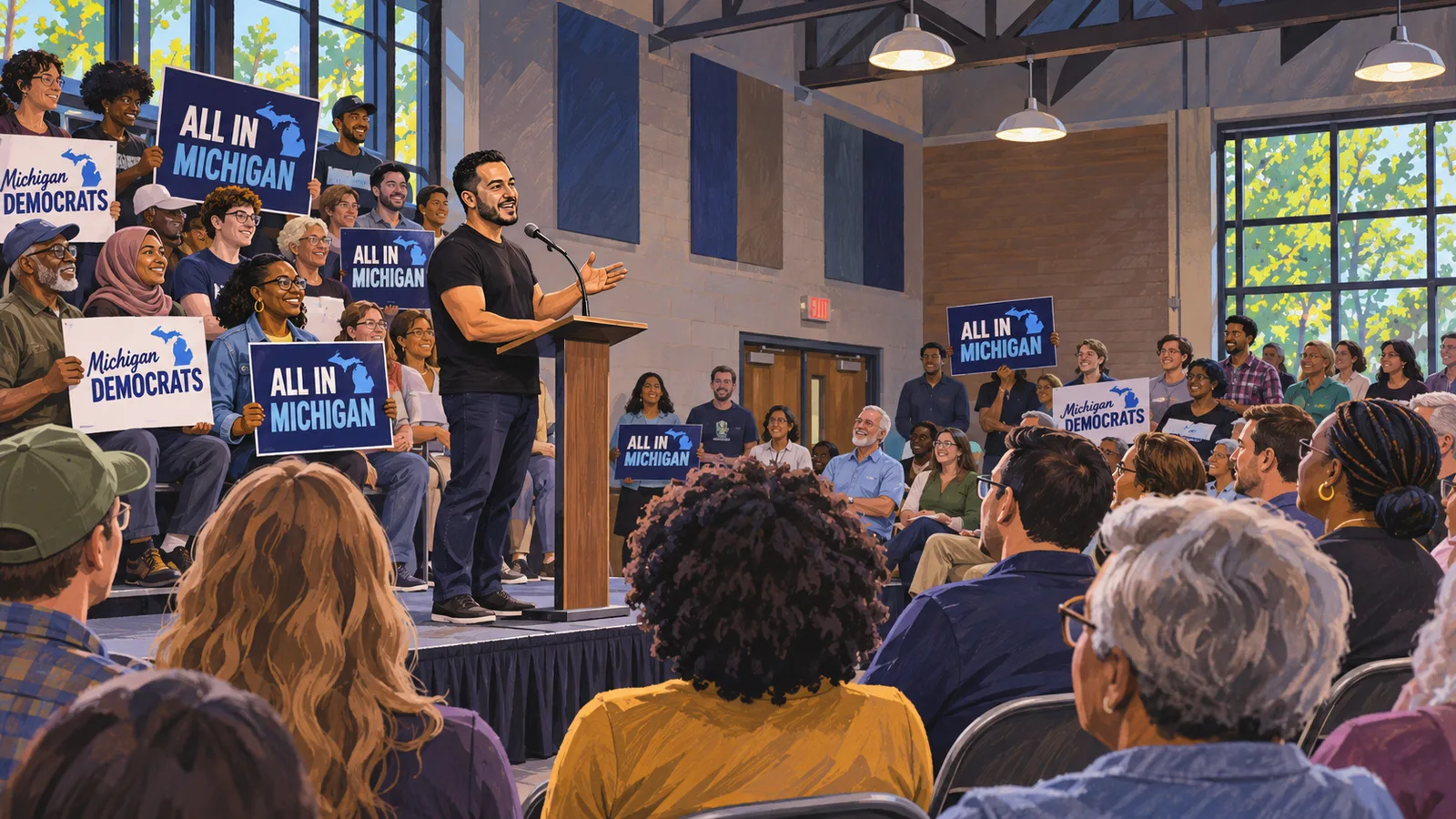
Asked how he would respond to someone who said his criticism of Israel fueled fears of antisemitism, El-Sayed acknowledged those concerns. He argued that personal discomfort over his political positions should not be confused with threats to safety. Responding to a Jewish American with that concern, he said he was sorry for the person's fear and did not want to do anything that drives it. He added that there is a difference between safety or lack of safety and comfort, and that he does not want to make anybody unsafe. He said people concerned about his rhetoric should be uncomfortable with injustice done to another people. He also argued that criticism of Israel's conduct of the war in Gaza should not be suppressed because it makes some people uncomfortable. Jewish community leaders, including Michigan Democrats who pressed him during the campaign to affirm Jewish sovereignty in Israel, have expressed concern about his remarks.