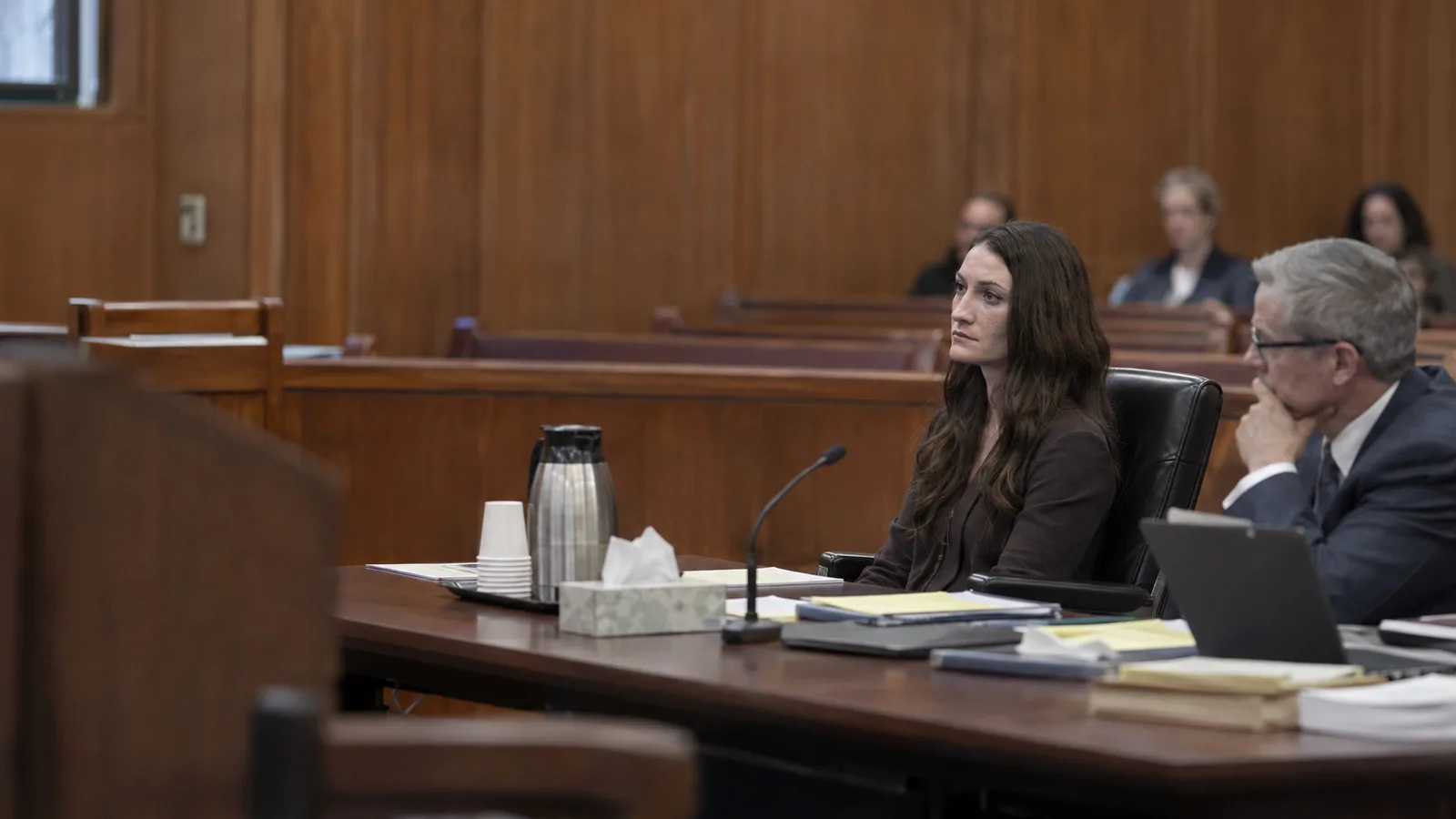
Lawyers for Lindsay Clancy asked a judge to dismiss the charges against her on double jeopardy grounds after her first trial ended in a mistrial in September. Prosecutors say the standard does not apply because no verdict was reached and argue for a new trial.
Lindsay Clancy's first trial ended in a mistrial in September. The jury was unable to reach a unanimous verdict, with one holdout juror leading to the mistrial. Her defense team has moved to dismiss the charges on double jeopardy grounds.
The arguments over dismissal
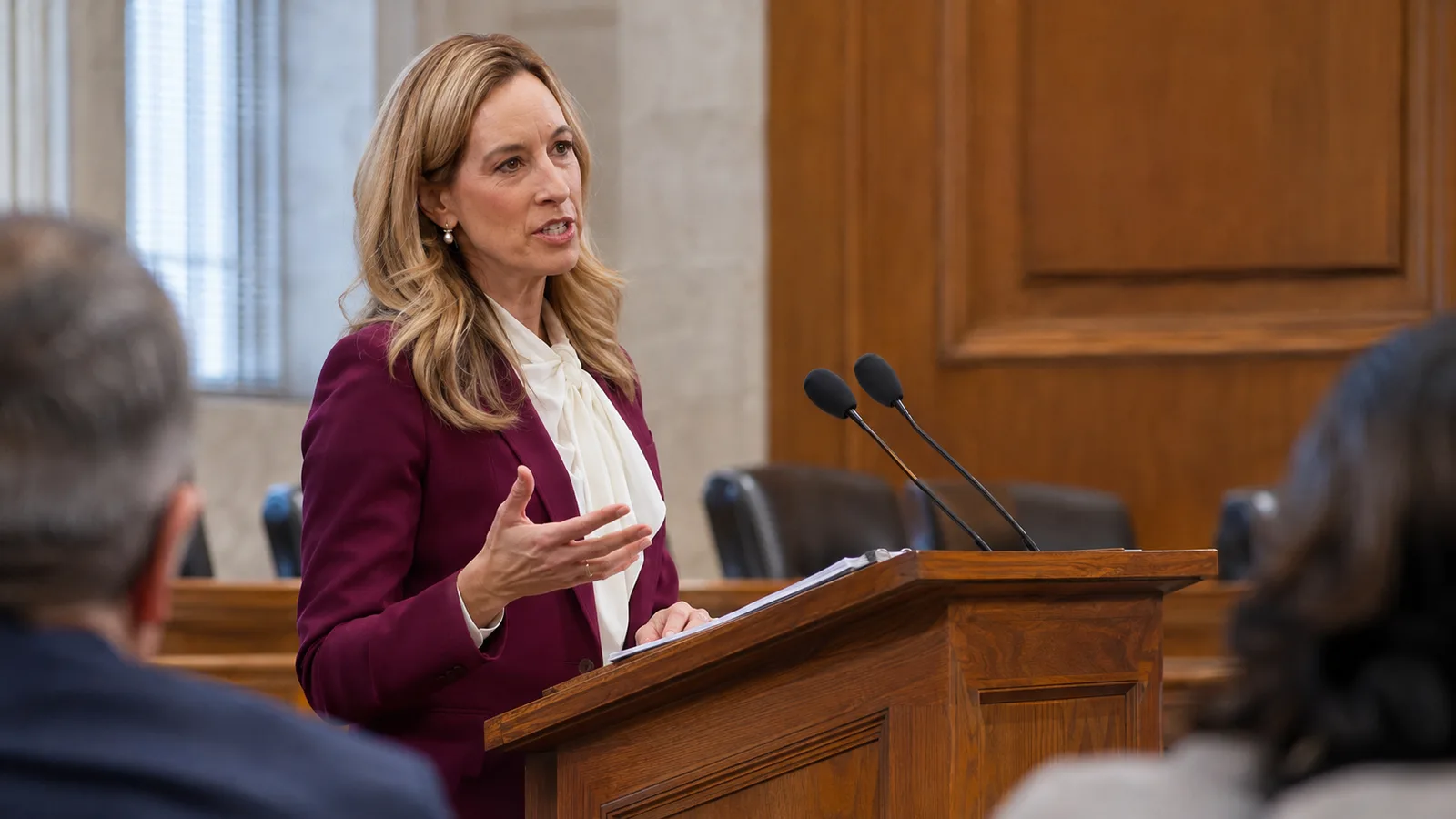
Clancy's lawyers are urging the judge, Sullivan, to dismiss the charges, arguing it would be unconstitutional to try her for the same crimes twice. They contend the judge erred in declaring the mistrial and should have looked more closely at whether the holdout juror violated his oath. Prosecutors say the standard does not apply because a verdict was not reached, and they argue the remedy should be a new trial. Prosecutor Jennifer Sprague was laying out arguments at the hearing over the motion to dismiss the case.
The charges and the trial
Clancy is accused of strangling her three children, Cora, 5, Dawson, 3, and 8-month-old Callan, in their Duxbury home. She pleaded not guilty to three counts of first-degree murder, asserting she should not be held criminally responsible because of mental illness. She claims she had postpartum psychosis. At trial, the defense argued she had postpartum psychosis and was not criminally responsible, while the prosecution argued she was not in psychosis and planned the strangulations ahead of time.
Clancy was paralyzed from the waist down when she jumped or fell out of a second-story window the night of the tragedy in Duxbury, Massachusetts. She is being held in a state psychiatric facility.