A plane with 85 Brazilians deported from the United States landed at Belo Horizonte International Airport in Confins at around 1:50 on Saturday (31). The Ministry of Human Rights and Citizenship coordinated a reception under the Aqui é Brasil program.
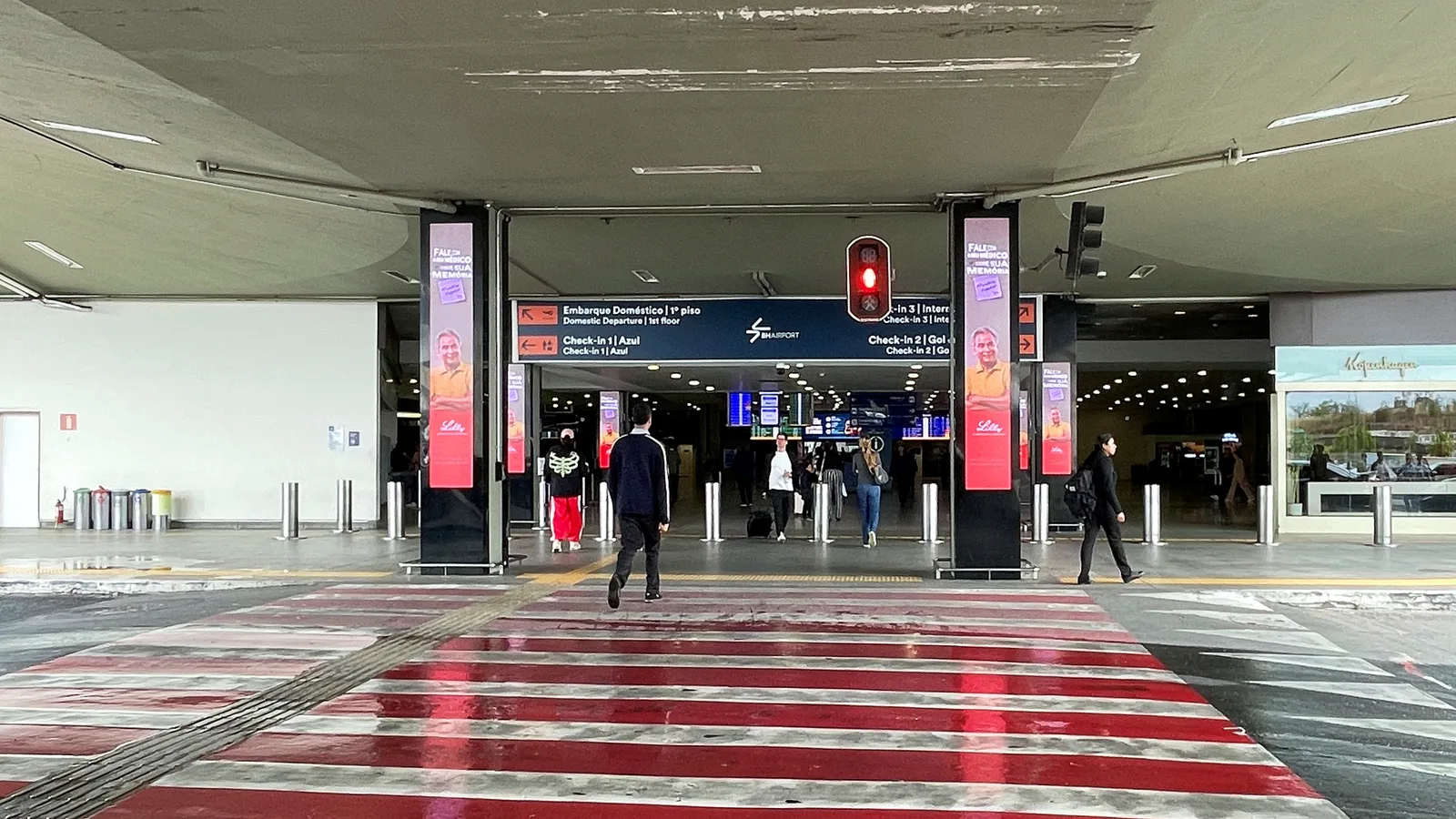
A plane carrying 85 Brazilians deported from the United States landed at Belo Horizonte International Airport in Confins (MG) at around 1:50 on Saturday (31). The Brazilian government received the deportees in the early hours of Saturday at that airport. The new route connects Macapá International Airport to Belo Horizonte International Airport, located in Confins in the Belo Horizonte metropolitan region.
According to the Federal Government, through the Ministry of Human Rights and Citizenship, the group comprised 69 men and 16 women aged between 30 and 39. Among the passengers were four children and adolescents up to 14 years old and one elderly person.
The operation was carried out by American authorities, and in Brazil the passengers were received by teams of the Aqui é Brasil program. After disembarking, the Brazilians met teams from the federal program, which is responsible for welcoming people returning to the country after deportation. According to the Ministry of Human Rights, a humanitarian reception was prepared for the repatriated Brazilians. The deportation operation is carried out by the US government, while in Brazil the ministry, with other federal bodies, coordinates the reception under the program.
The ministry coordinates the action with the ministries of Foreign Affairs, Social Development, Health, and Justice and Public Security. State governments, the Federal Police, ANTT and the IOM also participate. The deportees will receive health assistance, psychosocial support, identification of immediate needs, and guidance on public services and travel to their destination municipalities. After initial reception, the group was to be taken to a hotel housing a special service structure. There, the repatriated would receive food, hygiene kits, psychosocial support, medical and psychological follow-up, and help with travel to their home cities.