Democrats are expected to flip the US House and have also flipped the Senate. Votes in several competitive House races are still being counted, so the size of the majority is unclear. Hakeem Jeffries is expected to become speaker on Jan. 3.
Democrats are expected to flip the US House of Representatives after two years of Donald Trump's second presidency. They needed a net gain of just three seats and flipped many more GOP-held seats, most in districts Trump carried in 2024. The total extent of the majority is unclear because votes in several competitive races continue to be counted. Democrats flipped the House after four years of a razor-thin Republican majority, with economic discontent over the cost of living helping them.
Senate
In the Senate, Democrats flipped at least six seats, comfortably securing a majority. Democrat Sherrod Brown defeated Jon Husted in Ohio, flipping a Senate seat from Republicans.
House races and the starting point
Before the election, Republicans held 218 House seats and Democrats 214, with one vacancy in each party's seats and one Republican having switched to independent. Democrats already held 215 seats going into the cycle, including a dozen in battleground districts. Democrats flipped House seats in Texas, North Carolina, Pennsylvania, Iowa, Kentucky and Colorado, among others. In Pennsylvania, Republicans Ryan Mackenzie, Rob Bresnahan and Scott Perry lost their seats to Bob Brooks, Paige Cognetti and Janelle Stelson. In New Jersey, Republican Tom Kean Jr was ousted by Democrat Rebecca Bennett.
In New York, Republican Mike Lawler conceded to Democratic challenger Cait Conley. Former Rep. Elaine Luria won back her old Virginia seat, defeating Republican Rep. Jen Kiggans. In Colorado, Democratic state Rep. Manny Rutinel defeated GOP Rep. Gabe Evans. In North Carolina's 11th District, Democrat Jamie Ager flipped the seat from Republican Chuck Edwards, who dropped his re-election bid after an ethics committee report found he sexually harassed staffers. Democrat Zach Dembo defeated Trump-backed Republican Ralph Alvarado in Kentucky's sixth district.
Redistricting
At Trump's request, Republicans in Texas, Florida, Missouri and other states redrew districts to add more GOP-friendly ones. Alabama, North Carolina and Tennessee also redrew maps after a Supreme Court ruling weakened a key Voting Rights Act provision. The 15 additional seats in seven states had minimal impact on saving the Republican majority. Republican redistricting in Texas, which they hoped would net five new seats, may instead end up losing them one seat. Democrats won all three House races in the overwhelmingly Hispanic districts along the Texas-Mexico border. In Florida, Republicans lost all three Democratic-held seats that the legislature had redrawn to favor them. Democrats redrew California districts, making five seats less favorable to Republicans.
Speaker and political context
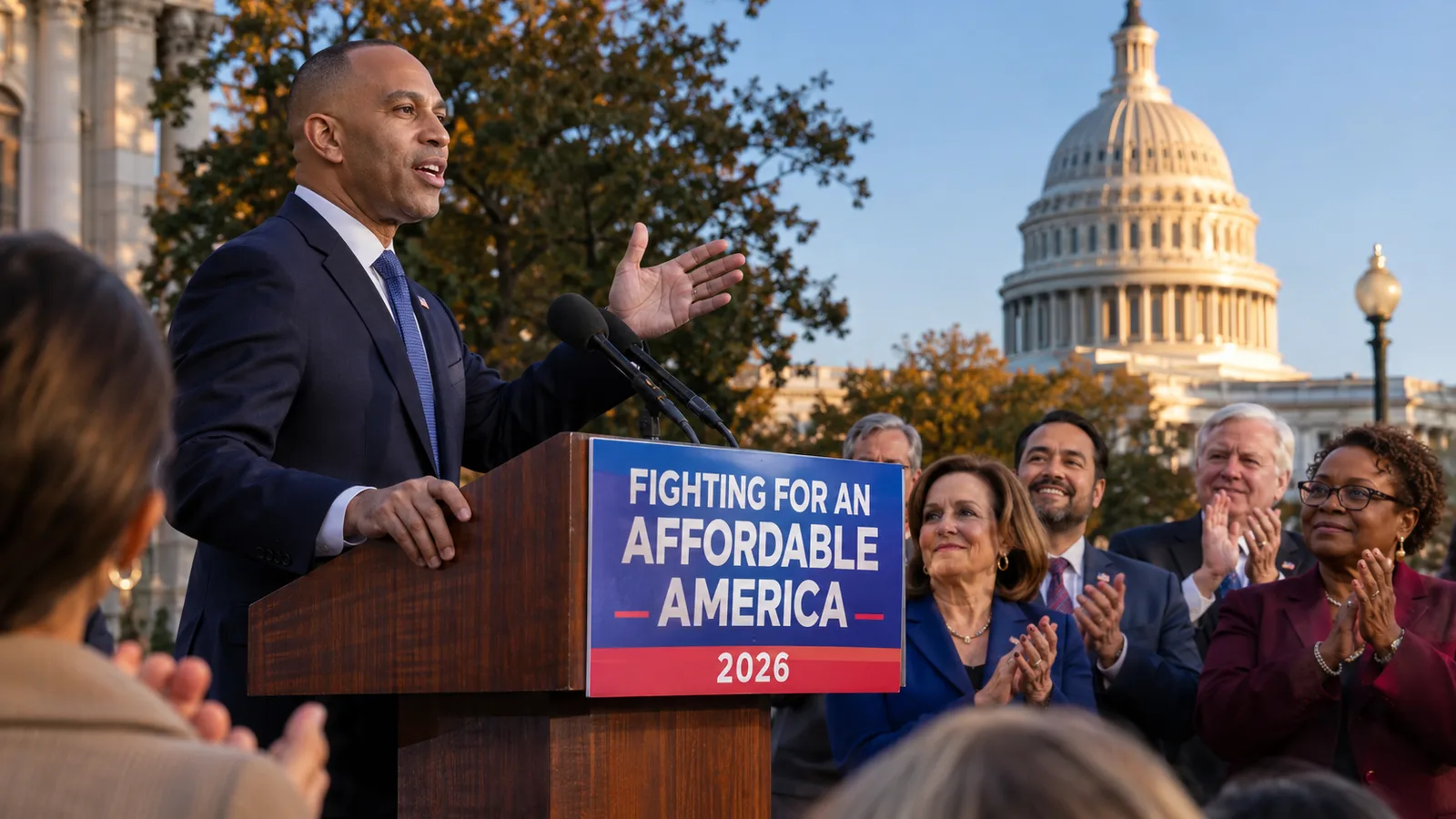
Hakeem Jeffries is expected to be sworn in on Jan. 3 as the first Black speaker of the House. The Democratic takeover will be the first time in Trump's second term that he won't have full control of Congress. It is unclear whether Speaker Mike Johnson will fight to remain as minority leader or step aside. Johnson said Tuesday night that Republicans will not be deterred by the outcome of one election.
The Democratic victory was widely seen as a referendum on Trump's unpopular policies, including the immigration crackdown, the Iran war and tariffs. Trump's approval rating is hitting record lows, and gas prices remain extremely high. The war with Iran has stretched into its ninth month.
Trump's response
Trump congratulated Democrats in a call with CBS News and said he looks forward to working with them, while pointing to his veto power. He said that otherwise he would just veto everything and that Democrats would not want that. Trump also told CBS he did not want to spend his final two years rejecting their legislation, but later posted an image of a red hat that referenced a veto.
Democratic agenda and investigations
Jeffries has said the Democratic agenda will focus on affordability. Immediate priorities include reversing Medicaid cuts from the One Big Beautiful Bill Act, extending expired ACA premium tax credits, ending the Iran war and rolling back tariffs. House Democrats are planning aggressive investigations when they secure subpoena power in January. Democrats have signaled they will investigate Trump's family business, immigration enforcement, Jeffrey Epstein matters and Robert F Kennedy Jr's handling of vaccine procedures. Rep. Robert Garcia, poised to chair the Oversight Committee, said the panel plans to focus on alleged corruption involving the Trump family, including cryptocurrency ventures, as well as alleged ICE and DHS abuses.
Jeffries said Democrats haven't ruled anything in or out on impeachment, while some Democrats have vowed to impeach Trump a third time amid internal debate.