With the midterms set for Nov. 3 and House and Senate control at stake, questions persist about ICE at polling places. DHS says it plans no targeted operations but allows arrests over safety threats. Courts have rejected DOJ efforts in California and Alaska.
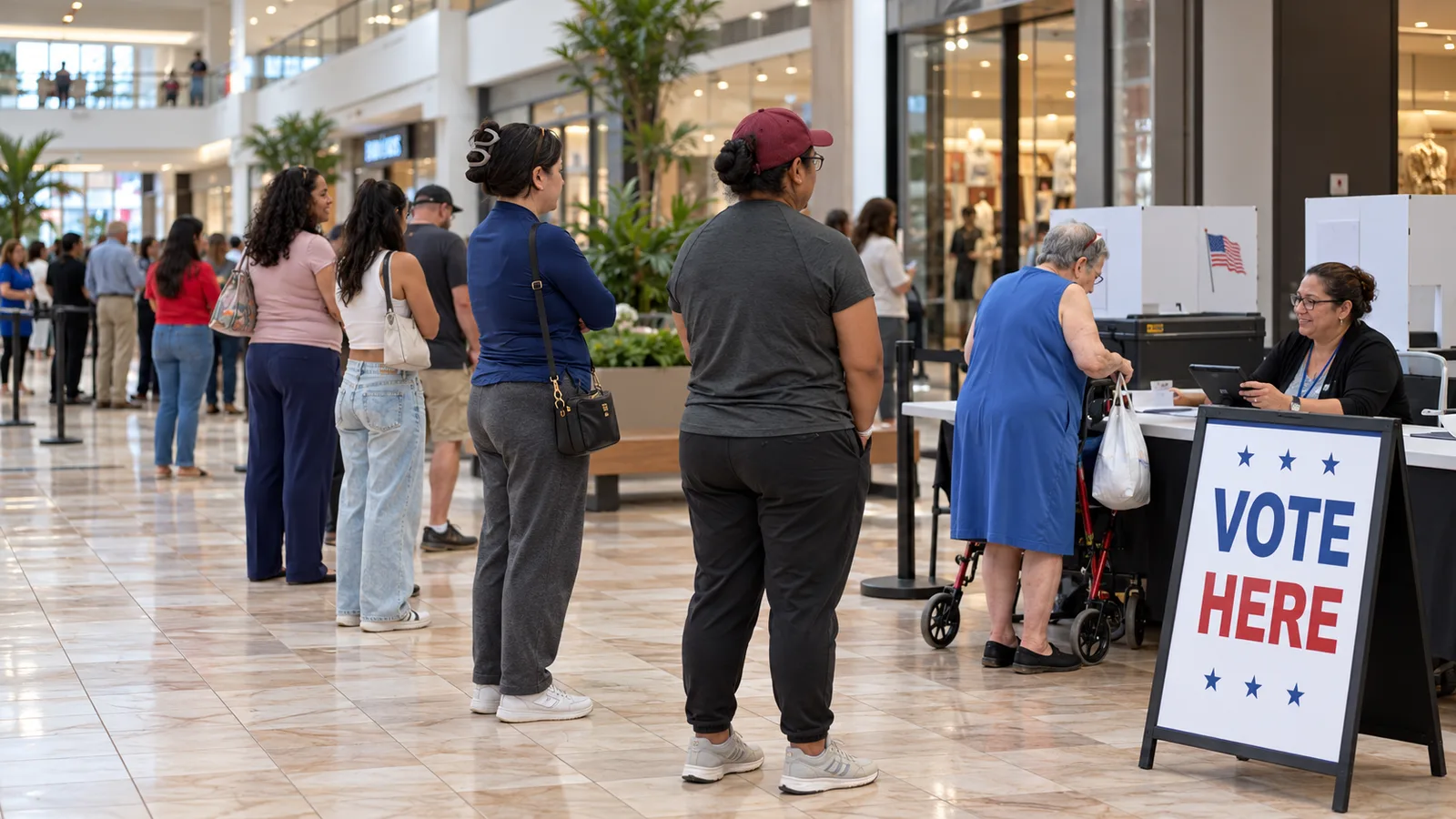
The midterm election is on Tuesday, Nov. 3, with control of the House and Senate at stake. Election administration in the U.S. is largely under the purview of states and local officials, each with different laws and procedures.
Questions over ICE at polling places
Federal law-enforcement officials have hinted for months that ICE agents or other federal officers may appear at polling places on Election Day. A DHS spokesperson said Immigration and Customs Enforcement is not planning operations targeting polling locations, and would only arrest people at the polls to address a safety threat as part of intelligence-driven targeted enforcement. The department left open arrests at polling places if there were an active public safety threat.
Homeland Security Secretary Markwayne Mullin said in September that ICE officers could be deployed across the country, while saying ICE isn't there to patrol polling places but to enforce specific threats. He also said ICE officers have authority to go to polling places if there is a threat to the location or if serving a warrant on someone they have been actively tracking, and he accused Democrats of fearmongering. Paul López is part of a coalition that has filed a lawsuit aimed at blocking federal officers from turning up at the polls.
Court fights over ballots and certification
A federal judge rejected the DOJ's motion for an emergency order that would have barred California from counting ballots of more than 20,000 voters the DOJ claims are likely noncitizens, and a federal appeals panel later backed that decision. Federal prosecutors in California announced Operation Protect the Vote and the arrests of 28 foreign nationals suspected of fraudulently registering to vote, illegally voting in prior elections or related crimes, on Oct. 19. Fulton County, Georgia, was the target of the FBI's unprecedented ballot seizure raid earlier this year.
The DOJ sued Alaska seeking to block certification of its Senate race result if the Republican incumbent doesn't win. U.S. District Judge Sharon Gleason dismissed the lawsuit, which was filed at the direction of the Trump administration, to stop the certification of a possible narrow Democratic win in Alaska. The Justice Department said it plans to appeal the decision dismissing the Alaska lawsuit.
Voting machine concerns
ES&S spokesperson Katina Granger said the company has not been made aware of any widespread issue with voting machines this cycle. ES&S, the maker of the machines drawing complaints, told ProPublica it had not received widespread reports of problems. Election experts say occasional problems with touch-screen voting machines do not signify tampering or manipulation, and that any attempt to tamper with programming would surface during testing by election officials and be corrected.