Daylight saving time in the U.S. ends at 2 a.m. local time on Sunday, Nov. 1, 2026, when clocks move back to 1 a.m. Standard time lasts until March 14, 2027. The House passed the Sunshine Protection Act in July, and it went to the Senate.
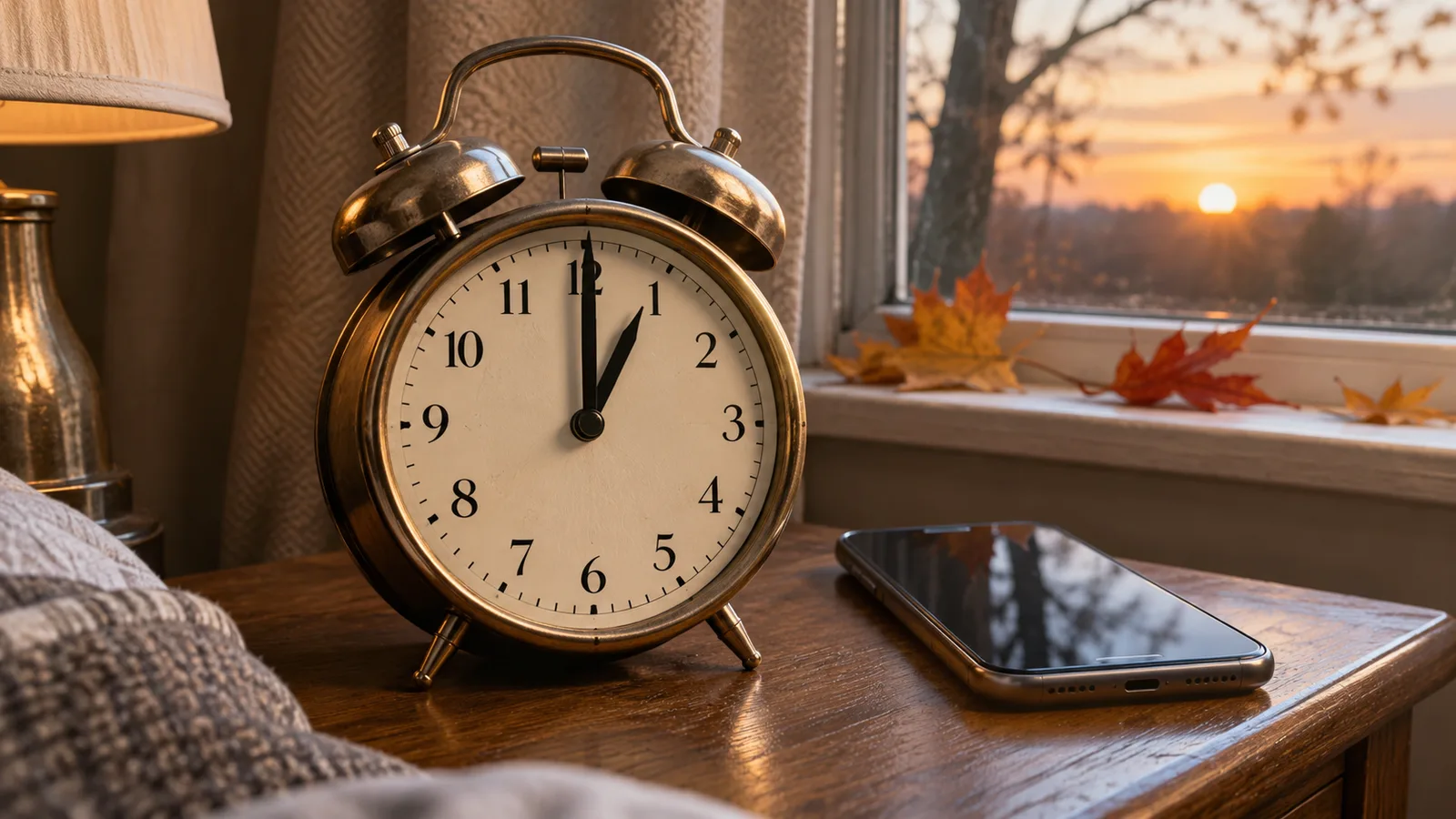
Daylight saving time in the U.S. officially ends at 2 a.m. local time on Sunday, Nov. 1, 2026. At that point, clocks move back one hour to 1 a.m. Under current law, daylight saving time begins on the second Sunday in March and ends on the first Sunday in November.
Standard time will last until March 14, when daylight saving time returns. Daylight saving time is set to begin in 2027 on Sunday, March 14, at 2 a.m. local time.
Hawaii and most of Arizona do not observe daylight saving time, so they do not change clocks and stay on standard time. The Navajo Nation in Arizona is an exception to that rule. American Samoa, Guam, the Northern Mariana Islands, Puerto Rico and the U.S. Virgin Islands also remain on standard time year-round.
The Sunshine Protection Act, which would make daylight saving time year-round, passed the House in July and went to the Senate. The House vote was overwhelming, and President Trump backs the measure. Trump has expressed support for ending time changes and urged Senate Republicans in early October to get moving on the bill.
Many health and sleep experts argue against permanent daylight saving time, citing risks to health and safety. The American Academy of Sleep Medicine argues standard time is more in tune with bodily rhythms. Therapist Tonya Ladipo recommends getting outside to access natural vitamin D, and experts advise getting out in morning sun.