Researchers led by Curtin University found mineralized red blood cells and intact heme biomolecules in limb bones of a 115-million-year-old theropod dinosaur from northwestern Brazil. The PNAS study is described as the first to chemically prove hemoglobin-derived molecules inside fossil red blood cells.
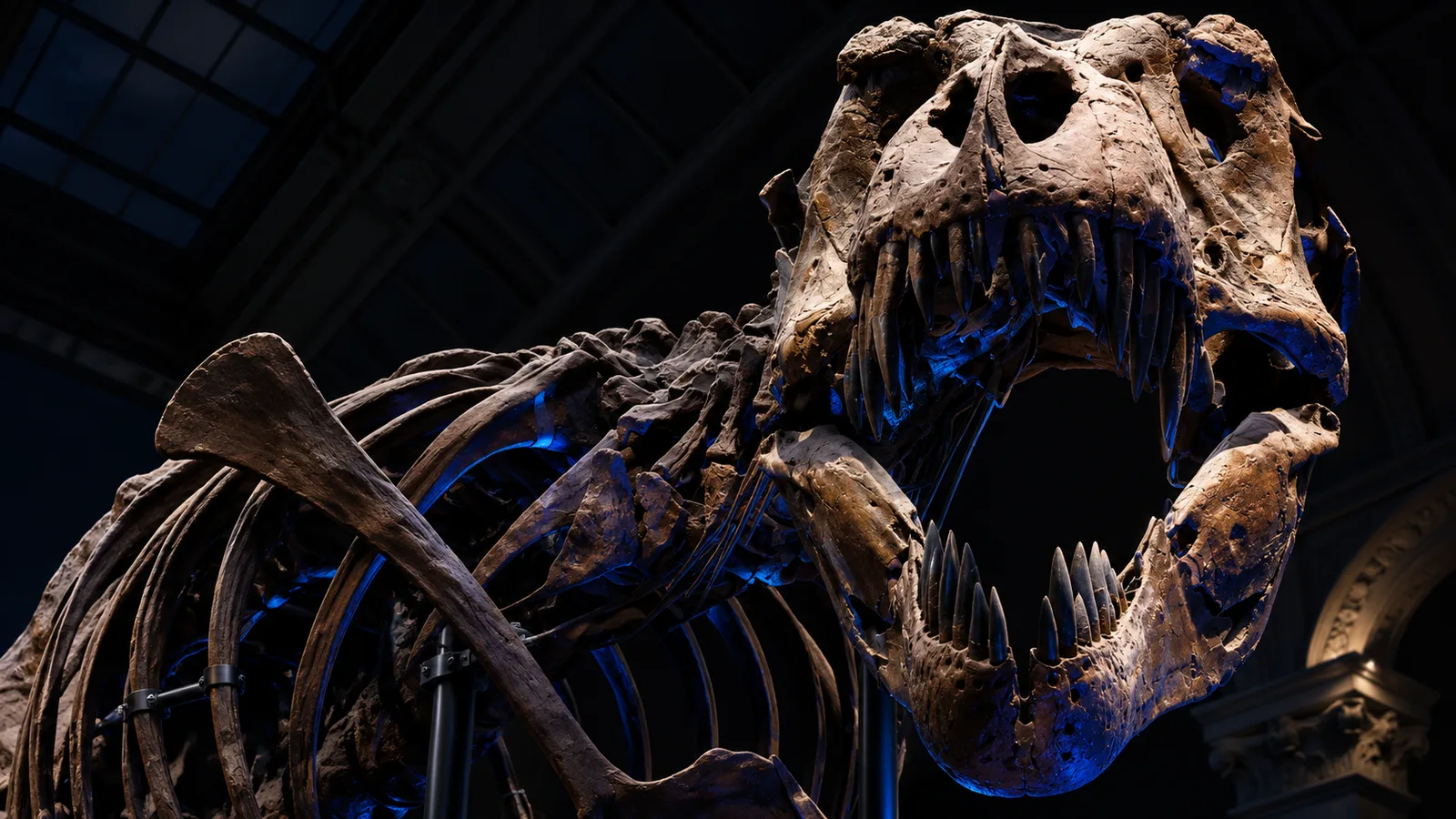
An international team of scientists led by Curtin University in Western Australia examined limb bones of a 115-million-year-old theropod dinosaur from northwestern Brazil, Aratasaurus museunacionali. They found mineralized red blood cells and intact heme biomolecules in the bones. The discovery is reported in the Proceedings of the National Academy of Sciences, with colleagues from Brazil, Japan and the United States. Kliti Grice of Curtin University was the study's lead author.
What the researchers found
The researchers identified numerous microscopic structures in the bone that appear to be fossilized red blood cells, and they also detected chemical evidence related to heme. The bones contained numerous red blood cells preserved within vascular canals. The chemical contents of the suspected cells were analyzed using high-performance liquid chromatography-mass spectrometry.
A first for fossil blood chemistry
The study is described as the first to chemically prove the presence of hemoglobin-derived molecules inside fossil red blood cells, although earlier studies had reported possible red blood cell structures in fossils. The team's research is the first to chemically identify heme, the oxygen-carrying blood compound, in such fossils. Grice called the detection of intact heme-derived molecules in the 115-million-year-old cells astonishing and a landmark discovery that extends the known fossil record of blood. She said the findings challenge longstanding assumptions that biomolecules such as hemoglobin cannot survive deep time.
How the preservation may have happened
The study team believes the exceptional preservation resulted from the dinosaur being rapidly buried in a low-oxygen, microbially rich environment shortly after death. The team also thinks the red blood cells were mineralized by hausmannite, which helped stabilize cellular structures and biomolecules. That stabilization extended to components such as collagen amino acids over geological time.
What it is not
Grice said the study did not find dinosaur blood itself but a mineral and molecular echo of ancient biology. She added that the aim is not to find Jurassic Park DNA.