A cyberattack on refrigeration systems disrupted stores of multiple supermarket chains in several European countries. Hackers remotely changed temperature settings. Delhaize, Carrefour, SuperValu, ICA and Coop were among those affected, and no group has claimed responsibility.
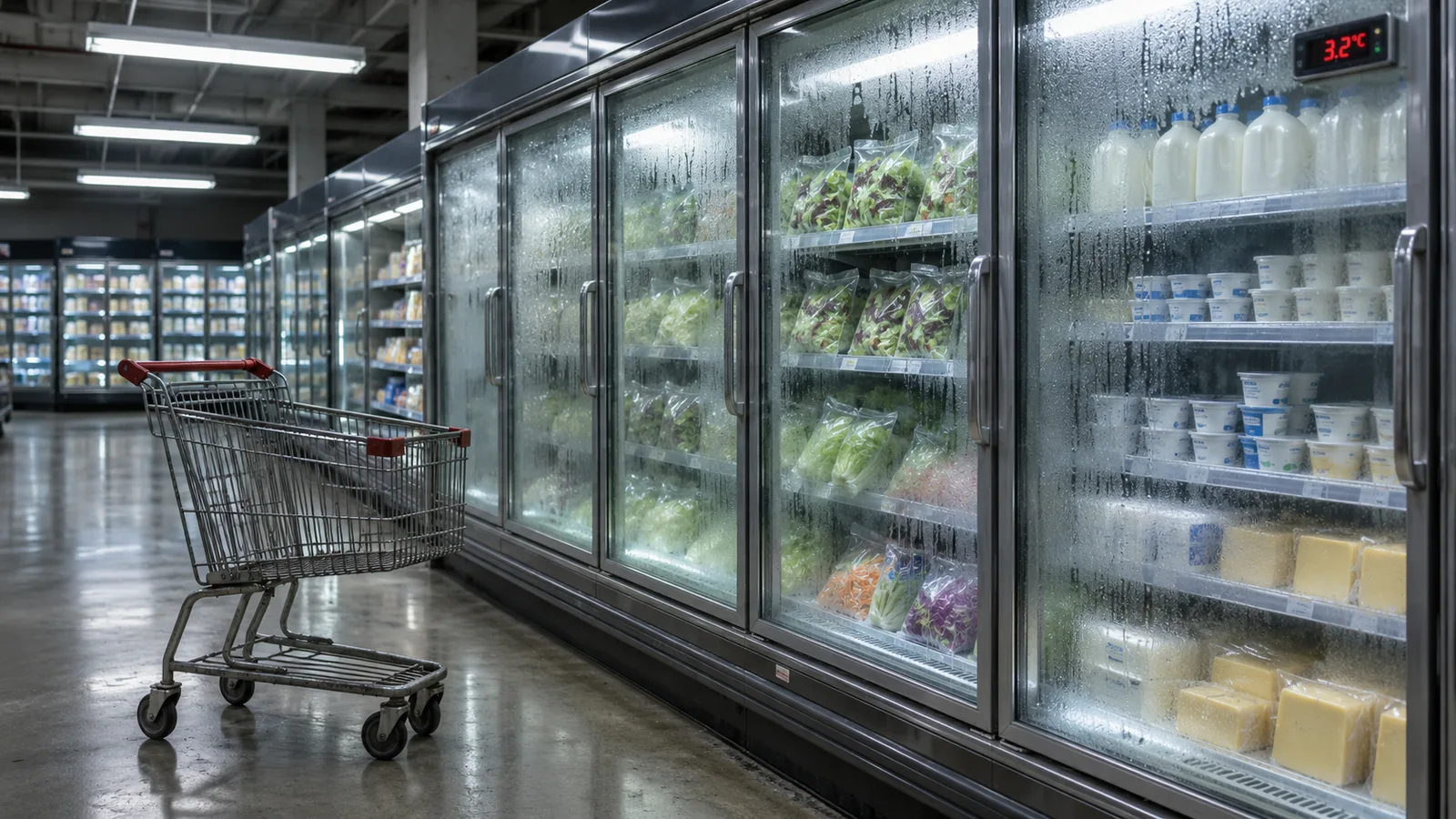
A cyberattack on refrigeration systems disrupted stores run by multiple supermarket chains across several European countries after hackers remotely changed temperature settings on freezers and cooling systems. The thermostats targeted are of the same type as those affected in the first wave of attacks three weeks earlier. The latest attacks also hit supermarkets operated by ICA, Colruyt Group, Musgrave and Coop.
About 40 Delhaize-owned stores in Belgium and Luxembourg were impacted, according to reports. Ahold Delhaize said an IT incident affected refrigeration systems in several dozen stores, and a spokesperson said the company is aware of the incident. Carrefour said 15 of its 700 stores in Belgium were affected, in both Flanders and Wallonia, none of them hypermarkets, and all stores remain open. The Colruyt Group said around five Spar stores, operated by independent entrepreneurs with their own refrigeration systems, were affected. An Ikea store in Mons had its refrigeration control systems attacked and removed certain food items from refrigerators as a precaution.
Musgrave Group said a cyber incident affected refrigeration systems in 13 of its SuperValu sites in Ireland, and chilled and frozen products in affected stores were removed from sale as a precaution. Coop in Sweden has seven affected stores, and a spokesperson confirmed a hack. An ICA store manager told TV4 that temperature settings had been changed overnight to +50°C (122°F) and could not be modified, forcing the store to discard frozen food. According to NOS, in the Netherlands mainly small businesses and local shops were affected rather than major retail chains.
Stephan Moelans, chief executive of Belgian refrigeration company Sabcobel, told Belga the units had been targeted in a cyber-attack that put evaporators into defrost mode. According to a CNBC report, the hackers remotely switched the freezers' evaporators to defrost mode. It is not clear who is behind the latest attacks, and no group has claimed responsibility. No parties have claimed responsibility for any of the attacks, and authorities have not yet been able to trace the origin.
In a similar attack in France the previous month, hackers reportedly took control of cooling units at up to 700 supermarkets, overriding settings and raising temperatures from as low as -27C to more than 50C. The Pentagon said last week it was examining the failure of food storage freezers across several military facilities in the U.S.