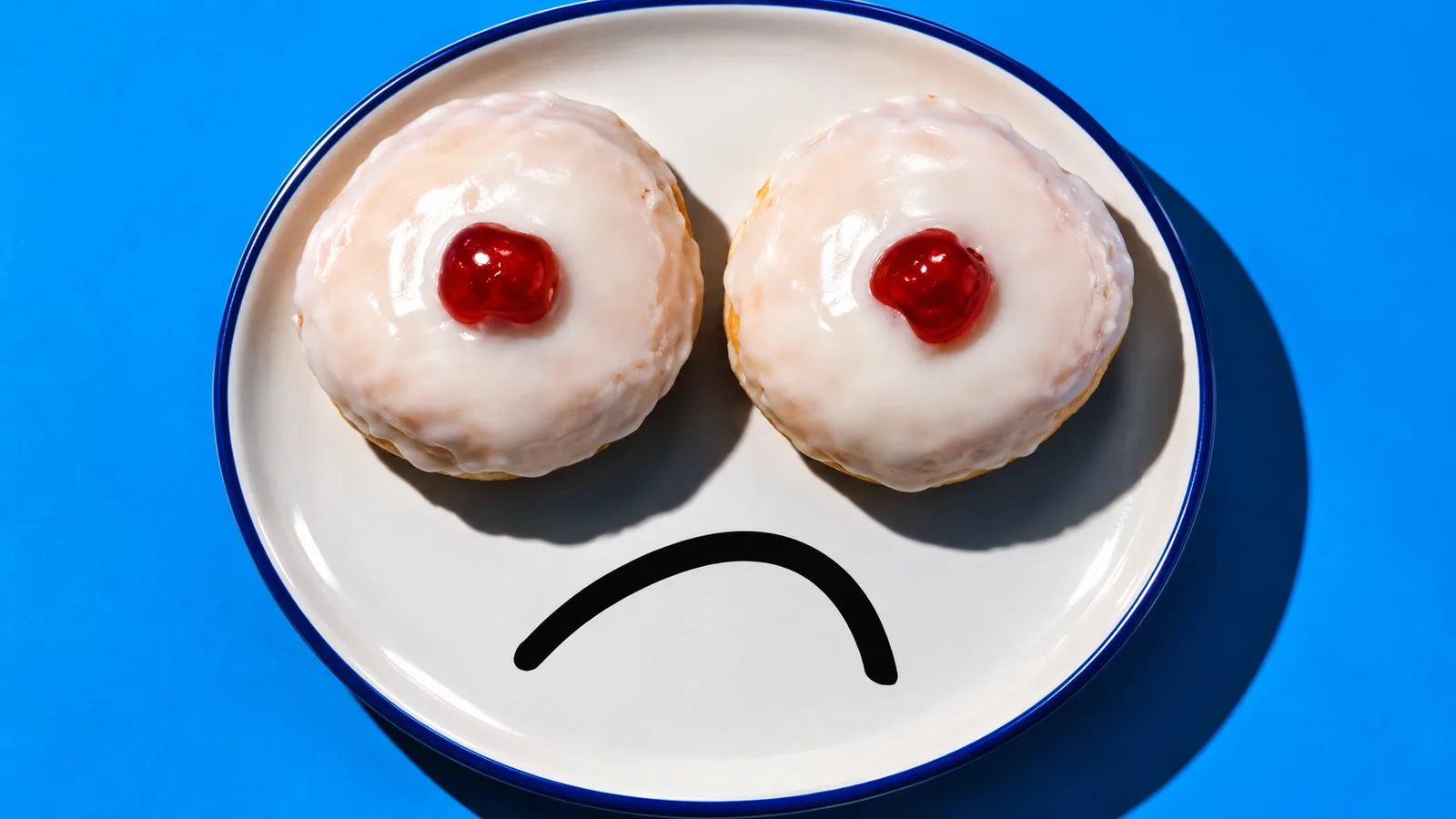
Sad Nipple Syndrome is a phenomenon in which nipple stimulation triggers sadness, anxiety and homesickness. It is not an official diagnosis, and its biological cause is unestablished. Experts point to hormones such as dopamine and oxytocin as possible factors.
Sad Nipple Syndrome (SNS) is a phenomenon in which nipple stimulation triggers an emotional response such as sadness, anxiety and homesickness, and it affects people across different genders and backgrounds. The sensation typically appears suddenly after physical contact with the nipples and usually disappears within minutes. Researchers have yet to establish its precise biological cause.
Not an official diagnosis
SNS is not an official medical diagnosis, and scientific research on it remains in short supply. It currently has no well-established scientific explanation, and specialized studies are still needed to establish the mechanisms.
Possible hormonal explanations
Lactation consultant Alia Macrina Heise describes the emotional effects of dysphoric milk ejection reflex (D-MER), which affects some breastfeeding mothers, as similar to SNS. She believes SNS, D-MER and post-coital dysphoria may involve interactions between several hormones. Heise suggests that unusual dopamine activity could contribute to the emotional changes tied to all three, and she notes that dopamine is often called prolactin's gatekeeper. One possible explanation she offered is inappropriate dopamine activity causing a brief mood destabilization.
Dr Vladimír Kraus of the Department of Gynaecology and Obstetrics at Pavol Jozef Šafárik University considers oxytocin, which is released during nipple stimulation, a possible factor in SNS. He believes changes in its signaling could help explain the sudden negative emotional response.